|
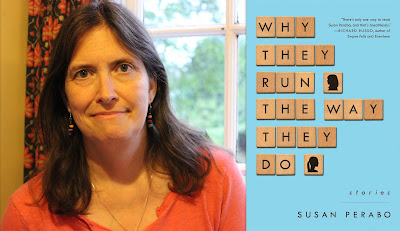
| Hit parade leaders: Hale (left), Perabo (top right), and Chase (bottom right) |
According to Blogger's statistics, most 2016 guest posts received 400 or more page views. The most popular post, "Benjamin Hale's Four Essential Fiction Writing Rules," has so far drawn more than 6,100 page views—the third most of any TSP blog post. "Antonya Nelson's Ten Writing Rules," the post with the most all-time views, currently has more than 14,000 of them.
The author posts with the second and third most hits this year were "Susan Perabo Urges Writers to Stop Thinking About Themselves," with nearly 2,000 page views, and "Katie Chase's Ten Simple Steps to a Short Story Collection," with more than 1,400 page views to date.
When we ask the authors if they'd like to contribute, we give them several options. One is to answer any or all of a series of questions, that we change somewhat each year. The 2016 questions were:
• Why do you write?
• Name something you read that made you want to be a writer.
• Is there a story by another author you wish you’d written?
• Where does a story begin for you?
• Describe a physical, mental, or spiritual practice that helps put you in a suitable state of mind to write.
• What do you do when you get stuck?
• How do you know when a story you’re in the process of writing is or isn’t working?
• Describe an unfinished story that you want to go back to but haven’t quite figured out yet.
• Discuss a local bookstore or library that is important to you.
We also suggested some possible essay topics:
• A literary touchstone.In addition, contributors had the option of coming up with their own ideas.
• A letter to a young writer, a la Rilke.
• A list of ten pieces of writing advice.
Here then is this year's index of guest posts, in alphabetical order by last name.
A-B
Kirstin Allio on Reading the Newspaper Before Sitting Down to Write
Kathy Anderson on Beginning with the First Line
Jacob M. Appel's Tips on How to Market Your Short Story Collection(s)Kathy Anderson on Beginning with the First Line
David Atkinson on Not Quite So Stories and Just So Stories
Jensen Beach on the Likability or Unlikability of Characters
Clare Beams' Ten Pieces of Writing Advice
Matt Bell's Aimee Bender Fan Fiction
Patricia D. Benke Says There's No Such Thing As Writer's Block
Brian Booker on Taking Characters for a Ride
Karen Brennan on Fighting to Find Solitude
C-G
Tobias Carroll on Broken Structures and Unfinished Stories
MB Caschetta's Encounters with Grace Paley
Katie Chase's Ten Simple Steps to a Short Story Collection
Matthew Cheney: Why I Am Not a Poet
Jaimee Wriston Colbert's Perfect Writing Day
Serena Crawford's Nine Tips For Authors in Search of Characters
Patrick Dacey's Brief Warning to a Young Writer
Peter Ho Davies on Writing Goals (Literal and Metaphorical)
Helen Ellis: A Writer's Ten Commandments
Louise Ermelino on the Mystery of Becoming a Writer
Dana Fitz Gale on Writing Into the Unknown
Amina Gautier on Loving the Short Story
Gary Gildner Finds Grace
Debbie Graber and the Freedom to Be Foolish
Amy Gustine on the Virtues of Both Virtual and Real Bookstores
H-K
Becky Hagenston Wonders: What If?
Benjamin Hale's Four Essential Fiction Writing Rules
Why Rachel Hall Writes Fiction
Stephanie Han's Ten Points of Fiction Writing Advice
Kevin Hardcastle Says: Nobody Will Really Believe You Can Pull This off
Charley Henley on How Boredom Can Spur Creativity
Arlene Heyman on Dealing with Self-Doubt and Rejection
Dustin M. Hoffman's Letter to A Young Writer (Probably Himself)
Charlotte Holmes on the Importance of Bridging Even the Smallest of Gaps
Vanessa Hua's Ten Writing Pointers
Allegra Hyde: "Act Like an Author, Think Like a Painter"
Greg Jackson Asks: Does Literature Have a Political Responsibility?
Randa Jarrar and the Lonely Voice
L-O
April Ayers Lawson on Why She Writes
Tony Lindsay on Writing to Be Read
Odie Lindsey on Recovering Love in Fiction (Care of a Self-Prompt)
Robert Lopez on Waste and Welter
Robert Oldshue on the Probable Improbable in Fiction
Robert Overbey on the Art of Not Being a Dick (or Thinking You're Not)
P-S
Jodi Paloni on Stranger Stories
Susan Perabo Urges Writers to Stop Thinking About Themselves
Mari Reiza Pulls the Strings
Patrick Ryan on How to Begin
Sara Schaff on Art for Our Sake
Why Louise Farmer Smith Writes Short Stories
Maureen Millea Smith on the Lasting Influence of Libraries
Christine Sneed on Personal and Narrative Spaces
Erin Stalcup’s Writing Advice (Not Rules) Mostly Written by Other People
Lynn Stegner's Answer to the Question: "Why Stories?"
T-Y
James Terry Goes Home Again
Johnny Townsend Writes What He Knows
Valerie Trueblood on Eudora Welty's Matchless Book, The Eye of The Story
Zachary Tyler Vickers on Keeping the Reader Engaged
Alexander Weinstein's Letter To Himself as a Young Writer
Theodore Wheeler on Writing Stories from Inside Trump's America (Before It Was)
Paula Whyman's Six Steps to Conquering Your Fear of Sex Scenes
Ronna Wineberg's Ten Rules for Writing a Short Story Collection
Callan Wink on Work and Legitimacy
Melissa Yancy: In Praise of "Bobcat" and the Unruly Story
Past indexes of guest posts:
2015
2014
2013
2012
Becky Hagenston Wonders: What If?
Benjamin Hale's Four Essential Fiction Writing Rules
Why Rachel Hall Writes Fiction
Stephanie Han's Ten Points of Fiction Writing Advice
Kevin Hardcastle Says: Nobody Will Really Believe You Can Pull This off
Charley Henley on How Boredom Can Spur Creativity
Arlene Heyman on Dealing with Self-Doubt and Rejection
Dustin M. Hoffman's Letter to A Young Writer (Probably Himself)
Charlotte Holmes on the Importance of Bridging Even the Smallest of Gaps
Vanessa Hua's Ten Writing Pointers
Allegra Hyde: "Act Like an Author, Think Like a Painter"
Greg Jackson Asks: Does Literature Have a Political Responsibility?
Randa Jarrar and the Lonely Voice
L-O
April Ayers Lawson on Why She Writes
Tony Lindsay on Writing to Be Read
Odie Lindsey on Recovering Love in Fiction (Care of a Self-Prompt)
Robert Lopez on Waste and Welter
Maryse Meijer on the Frivolity and Necessity of Clothing and Books
Matthew Neill Null on "Greatness Strikes Where It Pleases" by Lars Gustafsson
Matthew Neill Null on "Greatness Strikes Where It Pleases" by Lars Gustafsson
Robert Overbey on the Art of Not Being a Dick (or Thinking You're Not)
P-S
Jodi Paloni on Stranger Stories
Susan Perabo Urges Writers to Stop Thinking About Themselves
Mari Reiza Pulls the Strings
Patrick Ryan on How to Begin
Sara Schaff on Art for Our Sake
Why Louise Farmer Smith Writes Short Stories
Maureen Millea Smith on the Lasting Influence of Libraries
Christine Sneed on Personal and Narrative Spaces
Erin Stalcup’s Writing Advice (Not Rules) Mostly Written by Other People
Lynn Stegner's Answer to the Question: "Why Stories?"
T-Y
James Terry Goes Home Again
Johnny Townsend Writes What He Knows
Valerie Trueblood on Eudora Welty's Matchless Book, The Eye of The Story
Zachary Tyler Vickers on Keeping the Reader Engaged
Alexander Weinstein's Letter To Himself as a Young Writer
Theodore Wheeler on Writing Stories from Inside Trump's America (Before It Was)
Paula Whyman's Six Steps to Conquering Your Fear of Sex Scenes
Ronna Wineberg's Ten Rules for Writing a Short Story Collection
Callan Wink on Work and Legitimacy
Melissa Yancy: In Praise of "Bobcat" and the Unruly Story
Past indexes of guest posts:
2015
2014
2013
2012